Back to blog
Licensing & InsuranceJuly 21, 2026·3 min read
How to Verify a Contractor's License in Any State
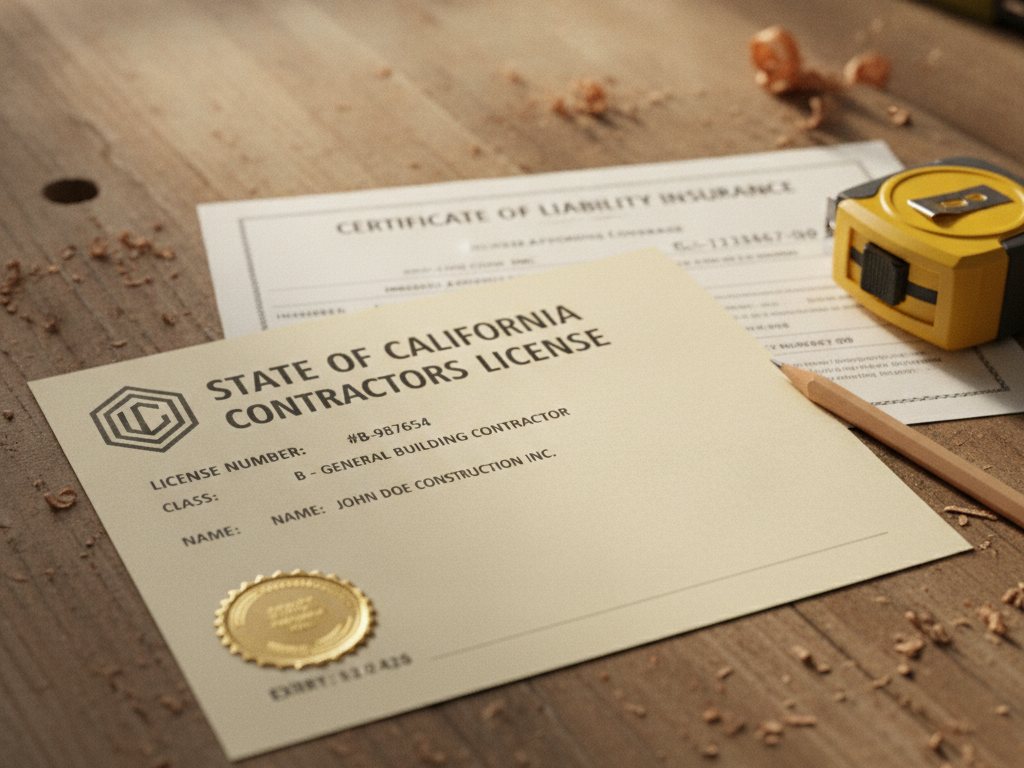
"Are you licensed?" is the first question every homeowner should ask a contractor — and the easiest one to verify independently, without taking anyone's word for it. The tricky part is that every state runs its own licensing system, with its own name, its own lookup tool, and its own rules about which trades even require a license. Here's how to find the right one for you.
Every state's contractor licensing board maintains a public, searchable database — and it's almost always free. The fastest way to find yours is a simple search:
"[your state] contractor license lookup"
or, if you know the trade:
"[your state] [roofing/electrical/plumbing] license verification"
These tools are typically run by a state's Department of Consumer Affairs, a dedicated Contractors State License Board, or a state Department of Licensing — the exact name varies, but the function is the same: type in a name, business name, or license number, and see what comes back.
This is the part that trips people up. Some states license general contractors above a certain project dollar amount but not below it. Others license specific trades (electrical, plumbing, HVAC) separately from general contracting, meaning a contractor could be licensed for one and not the other. And a few states have no statewide general contractor license at all, relying instead on city or county registration.
Before you assume "no results" means "unlicensed and lying to you," check:
If you're not sure, your state licensing board's website usually has a plain-language FAQ that explains exactly what is and isn't required for your type of project.
Finding a name in the database is only step one. Look at:
A legitimate, established contractor has answered this question hundreds of times and won't blink. If someone gets defensive, vague, or tries to talk you out of checking — "that database is always wrong" is a common deflection — treat that reaction itself as information. It costs you five minutes to check. It's worth every one of them.
Once you've confirmed the license, the next step is confirming insurance — the two aren't the same thing, and understanding the difference matters just as much.
Get matched with a vetted, insured contractor — free, no obligation.
Find a Vetted Contractor Near You